Why Do We Still Love Skyrim?

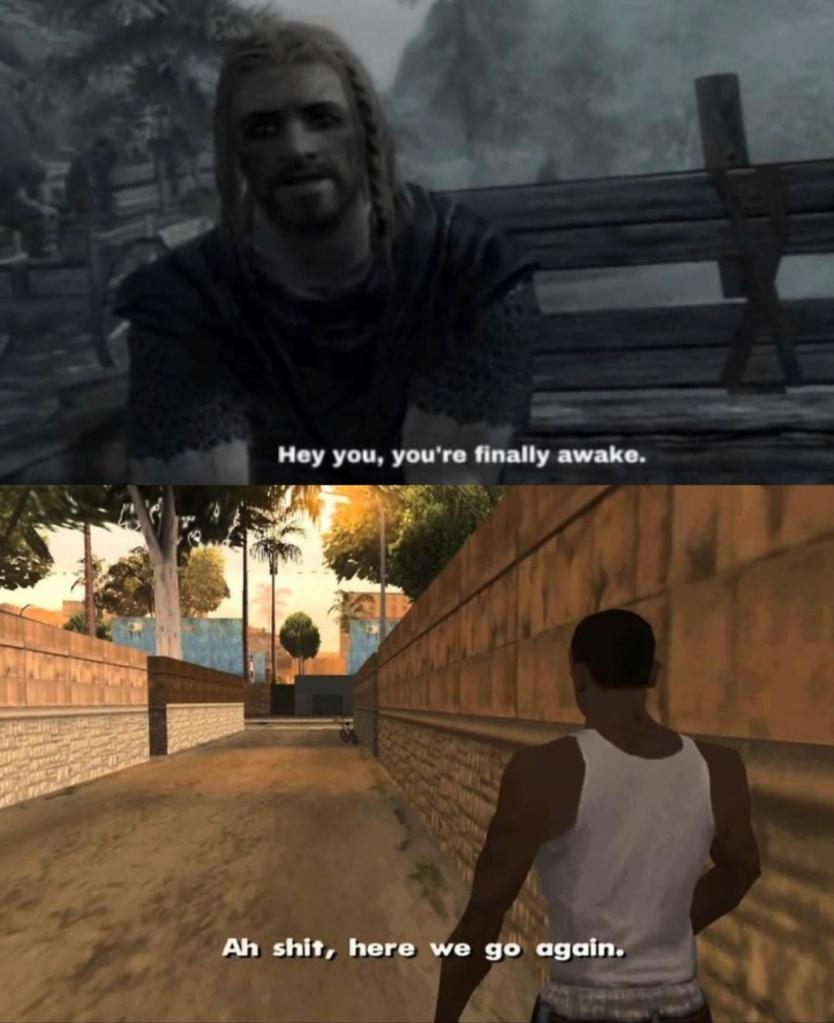
(Credit: u/NaughtyNiko03 reddit)

Despite the fact that there are newer open world games out there with bigger maps and updated mechanics, nothing seems to compare to the sheer replayability of Skyrim. 

There’s plenty of spirited debate about whether Skyrim needs mods to stay relevant. I’d argue once you play Skyrim with mods, it’s hard not to notice how outdated vanilla is. The one mod I always recommend is the Inigo follower mod.

Bethesda is a roleplaying game company that has won the hearts and respect of many and rightfully so. Publishing and working on franchises such as The Elder Scrolls, Fallout, and Dishonored, it’s no wonder people keep track of their games. 

I’d say the reason all roleplaying games can be somewhat of a timesuck is the fact that there’s so much room for customization. One of the first decisions you make in Skyrim is what you look like. On top of that, much like tabletop games people like to plan out there playstyle and that often meshes with what race you choose. 

Skyrim is a game that came out in 2011 and we still find ourselves coming back to it. There’s so much potential when it comes to trying different builds out and making different choices. Some possibilities:

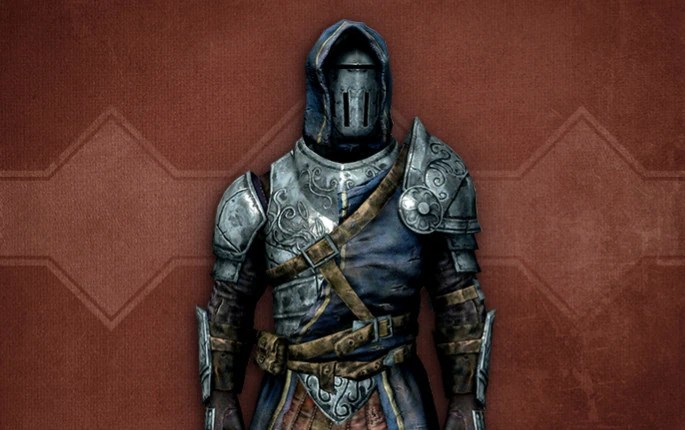
Want to be a classic hero that purges evil? Throw on some Vigilant of Stendarr Robes or heavy armor for a paladin look. Use a silver weapon in one hand and healing magic to repel undead in the other. Banish daedra and refuse to work for the Daedric princes (say goodbye to some of the best loot though). Destroy the Dark Brotherhood and their hideout. Join the Dawnguard and end the vampire threat. 

Or be everyone’s champion of darkness. Rock the Ebony Mail, mace of Mogal Bal while riding Shadowmare. Sacrifice Eola to Boethia. Become the leader of Castle Volkihar and the doomsday vampire cult within. Follow the orders of an ancient corpse as the ultimate assassin, the Listener! Steal from Jarls and beggars as the Guild Master of the Thieves Guild and a Nightingale of Nocturnal.   

Become a murderhobo stealth archer. You know you want to…

A punch cat monk that slays dragons with his claws. And learn all the shouts from the Greybeards.

An arcane trickster that slits throats with a conjured dagger and casts invisibility before reinforcements come. 

A sword and board breton that can resist magic and tanks spells so he can charge into the frey. 

Lead a legion of undead as a lich. Max conjuring and raise all your enemies. 1.) Find the ritual stone 2.) Find a civil war battlefield 3.) Activate th Ritual Stones power. 4.) Become a proper lich god

Change the bloody paradigm and activate survival mode! Wear cloaks, fish, use torches, hunt, cook, mine, and roleplay. Try not to freeze to death mighty dragonborn!

That’s why for many, Skyrim will always be a classic laden with nostalgia and addictive gameplay.

The Lightning Rod Trope in Sitcoms

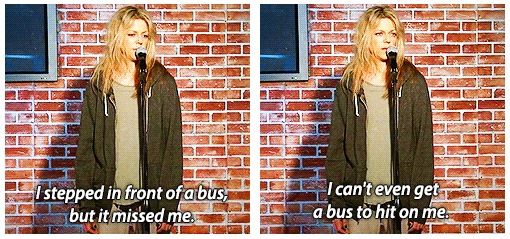
The characters above all fall under the lightning rod trope. There is a knee jerk reaction many have with the word trope; understandable, since it usually has a negative connotation. It’s impossible to watch television or experience any fiction without encountering tropes.

Some giveaways that a character fits the term is they’re always the butt of the joke, pitiful, scapegoated, and surrounded by a cast more than willing to kick them while they’re down. 

The one guy in class that sucks the fun at the room. The idiot who can’t do anything right. We have all seen the pattern before. These characters take the focus as something bad happens or their sole purpose is to ruin everyone else’s good time. Sometimes these moments lead to friendly hazing or downright bullying. Often this can mask other characters’ faults or highlight them depending on the tone. These instances often aren’t meant to be taken seriously and can lead to hilarious and over the top behavior.

If you’re familiar with “Community” and “It’s Always Sunny in Philadelphia” you will recognize the characters and their role within their friend group. 

“It’s Always Sunny in Philadelphia” is unique because the power dynamic seems to constantly shift and we’ll see every character get the piss taken out of them; in retrospect, Dee is a bad example, since early on in the pilot it seemed like Charlie was going to fill this role. As more episodes came out it became clear that when it comes to ridicule, everyone’s fair game. Mac was revealed to be a huge hypocrite and Dennis became a psychopath with control issues. Rather than conforming to the usual cool buds and one buzzkill, they completely subvert the trope. There’s a reason why this is the longest running live action sitcom it’s brilliant and has limitless comedic potential. 

In the first season of “Community”, Britta was a counter culture know it all. In season six, she got drunk and shit her pants during a crisis. Her character progression has been controversial among fans. Personally I like Britta’s arc as each passing year I find her more relatable. Besides there’s the dinosaur costume easter egg in the show which adds a lot of complexity to her character and especially her relationship with her parents, but I digress.

The punching down received can be from the lightning rods coworkers, friends, their own family, or even the universe itself. 

Let’s talk about Jerry…

No, not that Jerry! He certainly fits the description though. Everyone is openly hostile towards Jerry in Parks and Rec and it has a comedic contrast with the otherwise wholesome nature of the show.

In “Rick and Morty”, Jerry’s constantly being talked down to by his family. When Rick’s not being objectively verbally abusive, his family belittles him. This isn’t to say this treatment is always unprovoked as the series continues. 

Jerry is a novel take on the trope because as seen in the “The Whirly Dirly Conspiracy” there is a way for people in every day life to leverage their pity. The whole episode is a metacommentary on Jerry’s character. As Rick points out:

You act like prey, but you’re a predator! You use pity to lure in your victims! That’s how you survive! I survive because I know everything. That snake survives because children wander off, and you survive because people think, “Oh, this poor piece of shit. He never gets a break. I can’t stand the deafening silent wails of his wilting soul. I guess I’ll hire or marry him.”

It’s a profound monologue from Rick because while openly toxic people are criticized, there’s a away these perpetual victims can use their pitifulness to avoid scrutiny and manipulate people.

Wait, what’s your point? Are you saying it’s hack to have one character as a punching bag? That these shows are in some way bad or lesser because of it? Nothing like that, tropes aren’t inherently good or bad; just a pattern for writers to be aware of; this awareness allows us to break, subvert, satirize, and embrace. Tropes, archetypes, and clichés are all inseparable from universal storytelling that can be traced from the latest episode of a sitcom to an ancient myth. 

The Twilight Zone: Timeless and Genre Inspiring

Before “Black Mirror” or “The Outer Limits” there was “The Twilight Zone”. Anything black and white or considered “dated” tend to be overlooked and dismissed. Audiences usually react as if anything not in color equates to being less exciting; however, “The Twilight Zone” is so conceptual and captivating that my eyes never wander from the screen. It’s one of if not the most iconic anthology show out there. I’m incapable of being objective about this show. It’s a credit to the science fiction genre while seamlessly incorporating existentialism and tragedy.

Imagine if you will as you go about your day that there is an omnipresent well dressed smoking man (no I’m not talking about the X-files) narrating everything that’s happening. There is something profoundly intimate about a creator that interacts with their work and audience the way Rod Serling does. One of the best examples I can think of outside this show is the HBO adaptation of “Spawn”. Todd McFarlane takes a similar approach to Serling. It is a convenient and direct way to get through exposition. 

Matt Groening, creator of “The Simpsons” and “Futurama” is clearly a fan of the series as evident in the Treehouse of Horror episodes and The Scary Door background gag. “The Twilight Zone” is not only an invaluable source of entertainment, but inspiration to creatives across all mediums.

All that said, it’s clear that the Twilight Zone was inspired by numerous science fiction radio shows; a lost art archived and being replaced with podcasts.

This show has reached such heights beyond pop culture, that we’ve all heard some variation of the phrase: “I feel like I’m in an episode of “The Twilight Zone””. People who have seen or heard of the show can easily understand the meaning of this statement. “The Twilight Zone” conveys that otherworldly feeling that causes those within it to question their reality and sanity.

What does it mean to be inside the Twilight Zone? According to Serling:

There is a fifth dimension beyond that which is known to man. It is a dimension as vast as space and as timeless as infinity. It is the middle ground between light and shadow, science and superstition, and it lies between the pit of man’s fears and the summit of his knowledge. This is the dimension of imagination. It is an area which we call the Twilight Zone

The Templar Juggernaut

Race: Breton (Mechanically) or Redguard (Roleplay)

Playstyle: Sword & Shield with Heavy Armor

End Game Equipment: Aetherial Crown, Spellbreaker Shield, Soulrender, (other gear is custom or aesthetic)

Standing Stone(s): Atronach Stone & the Lord Stone

Completed Quests: Agent of Mara

Skills: One Handed, Block, Alteration

Perks: Magic Resistance (All Ranks), Atronach, Necromage? (Depends on the version)

Vampire/Werewolf/Neither?: Vampire

This build is heavily inspired by the Dragon Age universe’s Templars. The goal of this is to be as close to mage-proof as possible. Charge through the battle without fear of casters slinging bolts of lightning or ice storms at you.

Your character specializes at pacifying magic users with prejudice. A strong focus on tanking and defense. This build is achieved by prioritizing Magic Resistance & Spell Absorption. It is important that this build expresses all the ways a player can increase those two stats; therefore this build outlines optimization before roleplaying. Each of these stats have a cap and following all of the above could have some overlapping redundancy.

Alternate Roleplaying Options:

You can be a purist that never uses magic

Focus your quests on clearing out witches, necromancers, warlocks etc

You can forego the shield in favor of wards if you want to not be restricted on magic

Roleplay as a Vigilant of Stendarr committed to cleansing undead. This would likely use restoration magic frequently

Roleplay as a Redguard that loathes undead for players that are interested in using alteration magic with clothing or light armor

Radiant Raiment Fashion Advice Corner: Heavy Armor especially the creation club mods or anniversary edition suit this build particularly well. Alternate armor sets (silver, steel, iron). Grey Fur cloak looks great on most armors.

Custom Arcane Smith Section: Custom one handed weapon enchanted (Drain Magicka, Absorb Magicka, Paralysis) If you’re one to name your weapon like I am, some thematic names could include “Mage Slayer” or “Apostates End”.

I feel the need to emphasize that all my builds are meant to be frameworks and recommendations. These are just options to fulfill the role you see your character playing.

Invincible: Blood, Sweat, and Frozen Tears